

For individuals embarking on a career in the healthcare field, gaining substantive clinical experience is paramount. These experiences not only provide invaluable hands-on training but also offer crucial insights into the day-to-day realities of medical practice, strengthening applications for advanced medical programs. Listed below are six structured pathways to acquiring clinical exposure.
1. Clinical Research Assistant
Engaging as a Clinical Research Assistant provides a unique vantage point into the scientific underpinnings of medicine. This role typically involves assisting in the coordination of clinical trial activities, meticulous collection of patient data, ensuring stringent regulatory compliance, and providing support to Principal Investigators (PIs). It also offers exposure to cutting-edge medical advancements and research methodologies — something that might be more beneficial depending on your interest in medical specialties.
Qualifications: A high school diploma or a Bachelor of Science (BS) degree is often required. A Registered Nurse (RN) or Bachelor of Science in Nursing (BSN) is frequently preferred, given the clinical nature of many research protocols.
Notes: If your current undergraduate program/university also offers a medical school program, consider looking into their research department. These positions will typically be more accessible to students at the same institution.
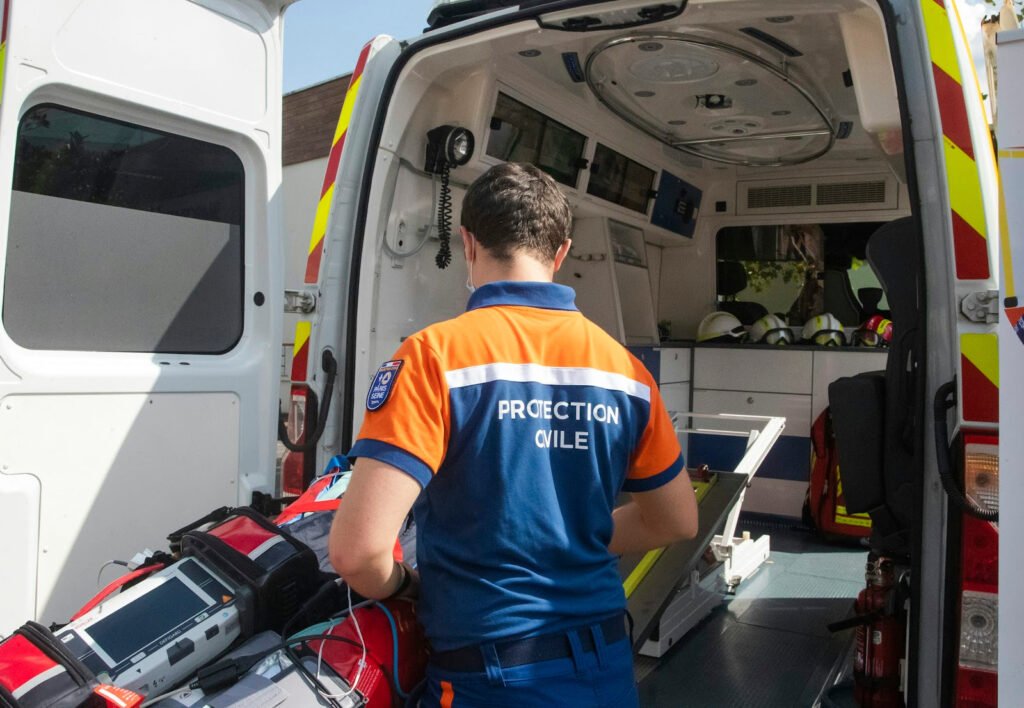
2. Emergency Medical Technician (EMT)
Becoming an Emergency Medical Technician offers direct, high-stakes clinical experience in pre-hospital care. EMTs are trained to assess injuries and illnesses, provide immediate emergency medical care, and safely transport patients to medical facilities. This role demands quick thinking, critical decision-making, and robust patient interaction skills under pressure.
Qualifications: National certification, typically obtained by passing the National Registry of Emergency Medical Technicians (NREMT) exam, is a fundamental requirement.
Notes: Many programs often recruit on college campuses during the beginning of semesters and may offer classes that will help you pass your NREMT exam. If this is something you are interested in, be sure to explore your options with recruiters, as they may be able to guide you through the process specific for your area.
3. Medical Assistant
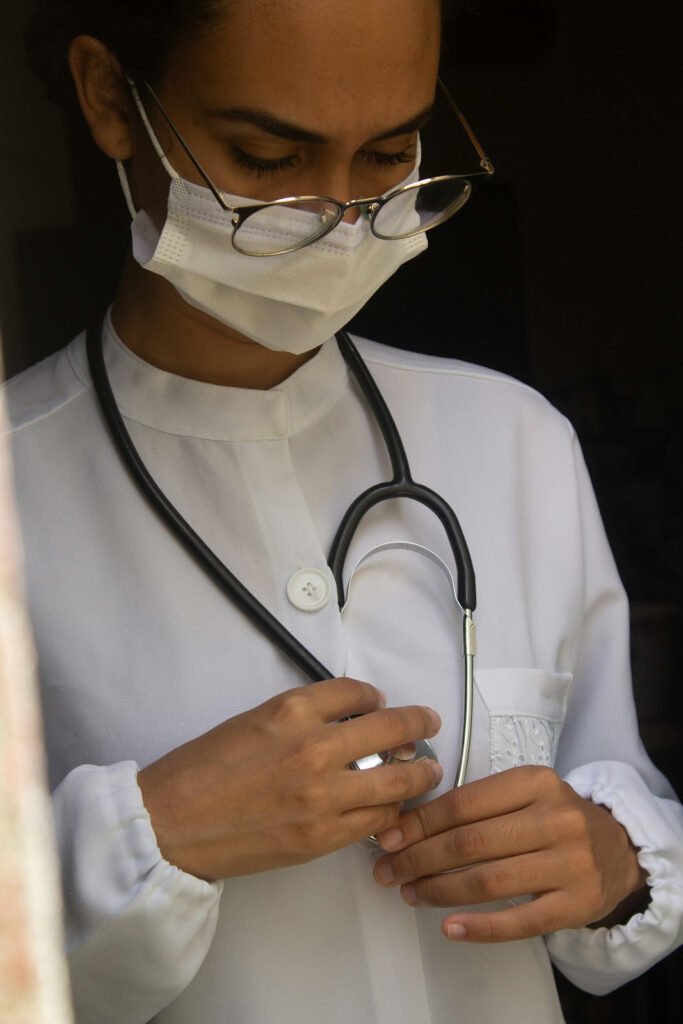
A Medical Assistant plays a crucial role in the efficient operation of healthcare facilities. Responsibilities include assisting physicians and nurse practitioners with patient examinations and pre/post-operative care, maintaining accurate and confidential electronic patient records in compliance with HIPAA regulations, and handling various administrative tasks. This position offers a broad spectrum of clinical and administrative exposure.
Qualifications: Certification is often required, with common credentials including: Registered Medical Assistant (RMA), Certified Medical Assistant (CMA), National Certified Medical Assistant (NCMA), Certified Clinical Medical Assistant (CCMA), or Certified Medical Administrative Assistant (CMAA).
4. Certified Nursing Assistant (CNA)
A Certified Nursing Assistant provides essential personal care to patients, making a direct impact on their comfort and well-being. This includes assisting with daily living activities, taking vital signs, maintaining a clean and sanitary environment (such as sanitizing equipment and changing bed linens), and ensuring patient dignity. CNAs are at the forefront of patient care, providing continuous support.
Qualifications: Successful completion of a nursing assistant training program and passing a state-specific certification exam are mandatory. Requirements can vary by state, so prospective CNAs should consult their local regulations.

5. Medical Scribe
The role of a Medical Scribe offers an immersive experience within the physician’s workflow. Scribes work alongside doctors, meticulously documenting patient encounters in the Electronic Health Record (EHR) in real-time. This includes transcribing the subjective portion of patient charts, detailing physical exams, and accurately recording diagnoses and treatment plans. This position provides unparalleled insight into medical decision-making and patient management.
Qualifications: A high school diploma is typically the minimum educational requirement, with strong emphasis placed on accurate typing skills and a foundational understanding of medical terminology.
6. Hospice Volunteer
Volunteering with a hospice organization offers a profound and compassionate form of clinical experience, focusing on palliative care and end-of-life support. Hospice volunteers provide companionship and emotional support to patients and their families, assist with daily activities, and allow family members much-needed respite. This role emphasizes empathy, communication, and holistic patient care.
Qualifications: Remarkably, formal medical qualifications are typically not required, making this an accessible entry point for individuals with a strong desire to serve and support. Training is usually provided by the hospice organization.
Gaining clinical experience through any of these avenues will undoubtedly enrich your understanding of the healthcare landscape and solidify your commitment to a career dedicated to patient well-being. Not only will they help you gain experience as you explore potential specialties and concentrations, but it will also showcase your skills and talents in a unique way on your application, making prospective programs aware of fundamental skills they may be looking for.
Want to learn how to make your clinical experience stand out in your applications to medical schools? Reach out to us to learn more about one of our primaries packages!
Leave a Reply